Visit Canada

Canada Visitor Visa: Requirements, Documents & How to Apply

Explore Canada visitor visa requirements, application documents, travel purposes, fees, processing times and refusal concerns. Learn how a Temporary Resident Visa works and what to prepare before applying.

Led by an RCIC · R707216
Assessment-to-Decision Support
Serving Clients Worldwide

Understanding the Document

What Is a Canadian Visitor Visa?

A Canada visitor visa, formally known as a Temporary Resident Visa (TRV), is a travel document placed in a passport for foreign nationals who need a visa to travel to Canada. It allows you to request admission at a Canadian port of entry for a temporary visit, but it does not guarantee entry.

Travellers apply for many reasons: sightseeing in Canada, visiting a spouse or other family members, seeing friends, attending an important event, or taking part in eligible business meetings. These are purposes of travel, not separate visa classifications.

A visitor visa can be valid for one entry or multiple entries. An officer determines the visa type and validity, which can be up to 10 years in some cases. Visa validity is not the same as the amount of time you may stay in Canada.

Most visitors are allowed to stay for up to 6 months per entry, unless a border officer specifies another period. Some travellers need an eTA rather than a visitor visa, depending on citizenship, travel documents and how they enter Canada.

Important distinction: A visitor visa allows travel to seek admission. Your authorized visitor status determines how long you may remain after entry. A visitor visa does not, by itself, permit employment in Canada.

Lake Louise and the surrounding mountain scenery in Banff National Park, Alberta, Canada
Lake Louise, Alberta, Canada

Common Travel Purposes

Canada Visitor Visa Types and Travel Purposes

The application must explain the actual purpose of travel and include credible supporting documents. The same visitor visa rules can apply to different kinds of temporary visits.

For sightseeing, holidays, recreation and short visits that do not involve entering the Canadian labour market.

  • Trip purpose and realistic itinerary
  • Funds for accommodation and daily expenses
  • Evidence of ties and intention to leave

For visiting a spouse, partner, relatives or friends who live in Canada, including attendance at family occasions.

  • Invitation and host information
  • Evidence of relationship, if relevant
  • Financial support and planned length of visit

For qualifying meetings, conferences, trade shows and business activities connected to work outside Canada.

  • Meeting or conference invitation
  • Principal income and business outside Canada
  • No planned entry into the Canadian labour market
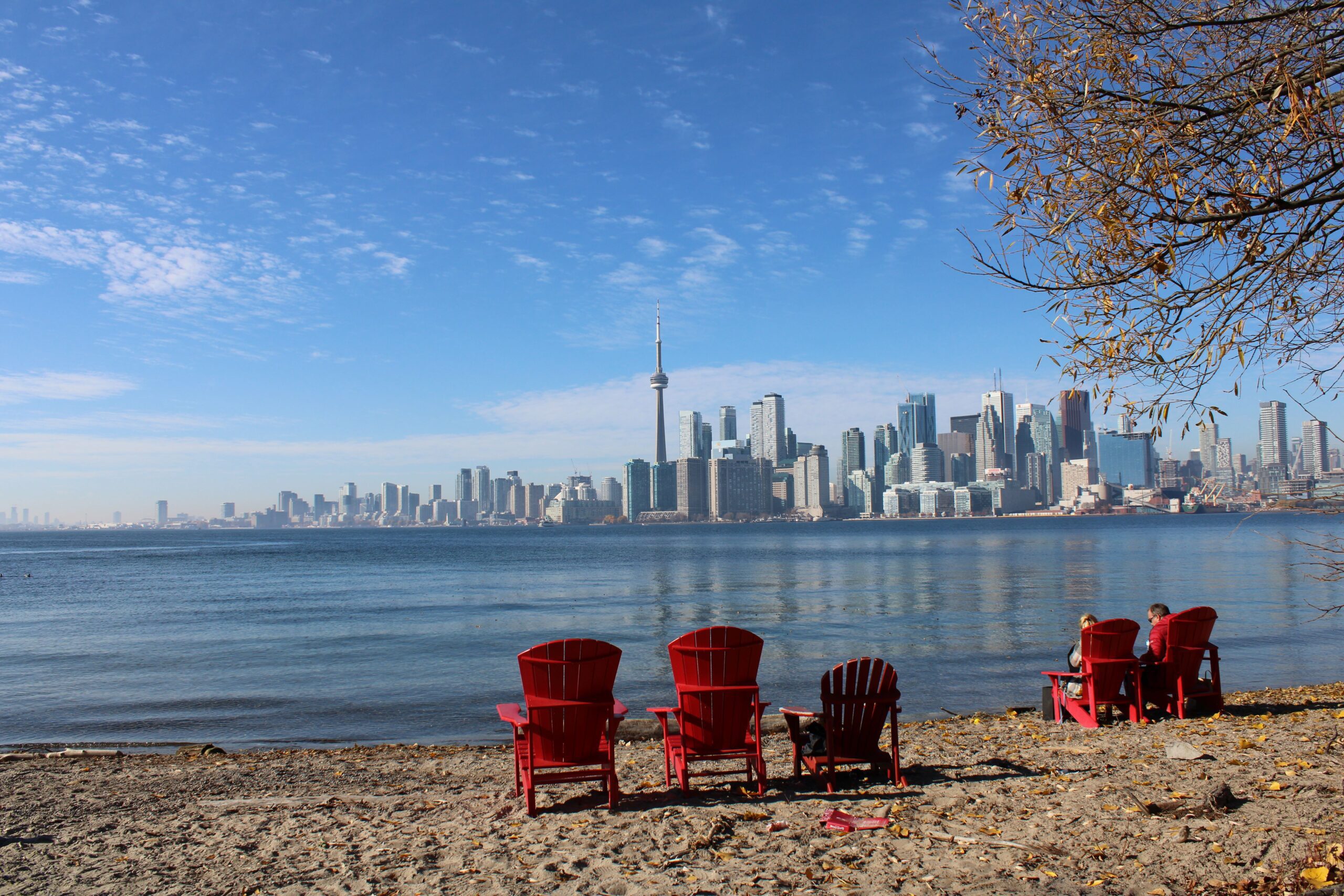
Toronto skyline viewed from the Toronto Islands in Ontario, Canada
Toronto Islands, Ontario, Canada

Other Entry Pathways

Super Visa, Transit Visa and eTA: Other Options

Some travellers qualify for a more specific temporary-entry document. These options have different eligibility tests and are not interchangeable with a standard visitor visa.

For eligible parents or grandparents of Canadian citizens, permanent residents or registered Indians who live in Canada. A super visa generally allows visits of up to 5 years at a time and may be valid for multiple entries for up to 10 years. It requires qualifying host income, medical insurance and a medical exam.

  • Eligible host living in Canada
  • Required host income evidence
  • Qualifying health insurance and medical exam

Under the income rules effective March 31, 2026, qualifying hosts may be assessed using either of the two preceding tax years; additional income provisions may apply in specific circumstances.

For certain travellers from visa-required countries connecting through a Canadian airport for 48 hours or less, without entering Canada for a visit.

  • International-to-international air connection
  • Transit is 48 hours or less
  • No valid visitor visa and no applicable eTA or exemption

An eTA is an electronic travel authorization for eligible travellers flying to Canada. It is not a visitor visa and is not required by someone travelling with a valid Canadian visitor visa.

  • Nationality and document eligibility
  • Air travel requirement in typical cases
  • Electronic authorization linked to passport

Side-by-Side Guide

Visitor Visa vs. Super Visa vs. eTA

The right option depends on why you are travelling, how you will enter Canada and whether you qualify for a specific document. The comparisons below are general, not eligibility decisions.

Comparison of entry documents for visitors to Canada
DocumentTypical purposeUsual visit periodImportant distinction
Visitor Visa (TRV)Tourism, visiting relatives, qualifying business visits.Usually up to 6 months per entry, unless otherwise authorized.May be single-entry or multiple-entry; approval and validity are discretionary.
Super VisaExtended visits by eligible parents and grandparents.Generally up to 5 years per entry, subject to admission.Host income, qualifying insurance and a medical exam are required.
Transit VisaEligible airside transit to another country.Transit of 48 hours or less.Not for a visit to Canada; specific exemptions may apply.
eTAShort visits or air transit by eligible travellers.Normally up to 6 months per visit, subject to admission.Electronic authorization mainly for air travel; eligibility depends on nationality and other factors.

On a small screen, scroll the comparison table horizontally. The first column stays visible.

Generally allows travel to Canada for one entry. There are limited circumstances in which a visitor may return from the United States or Saint Pierre and Miquelon without obtaining a new visa, if eligible.

The officer decides whether a single-entry visa is appropriate.

Allows repeated travel to seek entry while the visa remains valid. IRCC may issue a visa for up to 10 years, or a shorter period based on the applicant's passport, biometrics and circumstances.

Each entry and each permitted period of stay is assessed separately.

Application Fundamentals

Canada Visitor Visa Requirements

Eligibility is assessed as a complete picture. A visa officer considers the purpose of travel, funds, personal circumstances, admissibility and whether the applicant is likely to leave Canada at the end of the authorized stay.

  • Valid passport or accepted travel document
  • Clearly explained temporary purpose and plans
  • Intention to leave Canada when required
  • Sufficient funds for the particular trip
  • Relevant employment, business, assets or other ties
  • Reasonable accommodation and travel arrangements
  • Meet health and admissibility requirements
  • Disclose previous refusals and immigration history
  • Provide biometrics and other steps when required

No universal minimum bank balance: Financial evidence should be proportionate to the travel plans. The presence of a Canadian relative or an invitation letter does not replace the need to satisfy the officer about temporary intent.

Validity & Status

How Long Can You Stay in Canada on a Visitor Visa?

A visa's expiry date and your permitted stay are two different things. Understanding this distinction is essential when planning a visit or considering an extension.

A multiple-entry visitor visa can be issued for up to 10 years in some circumstances, but the decision and expiry depend on the applicant's documents and situation. Validity means when you may travel to request admission.

Most visitors can stay for up to 6 months at a time. A border services officer may authorize a different duration. Every entry is subject to examination, even with a valid multiple-entry visa.

Someone already in Canada who wants more time may be eligible to apply for a visitor record before their current status expires. A visitor record documents visitor status; it is not a new travel visa.

Planning tip: Do not use the date printed on a visa sticker as the deadline for leaving Canada. Check the authorized period of stay and any written conditions of admission.

Sandy lakeshore beach scenery in Canada
Canadian lakeshore scenery

Evidence Preparation

Canada Visitor Visa Document Checklist

Your exact visitor visa documents depend on your travel purpose, country of residence and personal history. Use this checklist to organize evidence of identity, finances, temporary intent and travel plans.

Identity & Immigration History

  • Passport identification pages
  • Prior visas and relevant travel history
  • Legal status in current country of residence, if relevant

Purpose, Travel & Accommodation

  • Purpose-of-travel explanation and itinerary
  • Accommodation details and invitation if applicable
  • Conference or business event documents if applicable

Funds, Employment & Home Ties

  • Bank statements and source-of-funds evidence
  • Employment, business or retirement documents
  • Family, property or other home-tie information

Supporting / Case-Specific Evidence

  • Marriage, birth or relationship records when relevant
  • Previous refusal explanations, when relevant
  • Country-specific documents and certified translations as required

Document consistency matters. Employment dates, source of funds, family relationships, prior refusals and travel history should be reported truthfully and consistently. Never submit fabricated documents or omit required material facts.

For a family or friends visit, an invitation letter can explain who is inviting you, how you know each other, why you are visiting, how long you plan to stay and where you will live during the trip. The host may also describe any financial or accommodation support and provide relevant proof of identity or status in Canada. An invitation is supporting evidence, not a guarantee of visa approval.

Purpose-Specific Preparation

What Each Type of Visit Needs

These expanded checklists highlight the differences between common travel purposes and super visa applications. Open a category to explore the evidence usually considered.

Tourism and personal visitsItinerary, funding, travel history and evidence of return

A credible tourism application explains where the traveller will go, why the proposed length is reasonable and how the visit will be financed.

Typical evidence

Travel plan, accommodation arrangements, bank statements, employment or business evidence, and previous travel records when relevant.

What the officer assesses

Temporary purpose, funding, overall credibility and the applicant's financial, employment and family circumstances outside Canada.

Visiting family or friendsRelationship, invitation, host status and visit arrangements

A family or friend visit should explain the relationship, the expected duration and the arrangements for accommodation and expenses.

Typical evidence

Invitation letter, host's identification or immigration status, relationship documents, family-event details if relevant, and proof of available funds.

What the officer assesses

Credibility of the relationship, genuine travel purpose and the applicant's ability and intention to leave when required.

Business visitorsMeeting invitations, employer support and permissible activities

Business visitors generally intend to stay for less than 6 months, do not enter the Canadian labour market and maintain their principal place of business and income outside Canada.

Typical evidence

Canadian business invitation, meeting or conference details, employer letter, overseas employment evidence and itinerary.

What the officer assesses

Whether the planned activity qualifies as a business visit rather than work that needs a Canadian work permit.

Parent and grandparent super visaQualifying host, family-size income, insurance and medical exam

Eligible parents and grandparents must meet specific conditions, including a qualifying Canadian host, adequate financial support, health insurance and medical admissibility. Applicants must apply from outside Canada.

Host and financial support

The host must qualify and satisfy IRCC's income test. Under rules effective March 31, 2026, qualifying income may be shown using either of the 2 preceding tax years; in a defined alternative, the visitor's income can supplement host income when the host meets at least 75% of the requirement.

Insurance and medical exam

Proof of qualifying medical insurance for at least 1 year from entry, at least CAD $100,000 emergency coverage, and an immigration medical exam. Check the insurer and payment requirements.

Application Roadmap

How to Apply for a Canada Visitor Visa

Follow the six connected stages below, from confirming your entry document to the final decision and preparations for arriving in Canada.

  1. Choose your document

    Check whether your trip requires a visitor visa, eTA or transit visa.

  2. Define your visit

    Set your travel purpose, dates, itinerary, accommodation and budget.

  3. Prepare your evidence

    Gather identity, financial, home-ties and invitation documents as relevant.

  4. Submit the application

    Complete the online forms, upload your documents and pay applicable fees.

  5. Complete requests

    Provide biometrics or additional evidence when requested and track updates.

  6. Receive the decision

    If approved, follow passport instructions. Admission is assessed at the border.

The process and document requests can vary by applicant. A visa approval does not guarantee admission to Canada.

Fees & Timelines

Canada Visitor Visa Fees and Processing Time

Government processing and biometrics charges are separate from any professional service fee. Some families qualify for fee caps and some applicants have exemptions. Fees can change.

Visitor Visa / Super Visa
CAD $100

Per individual application

Standard visitor visa processing fee. A qualifying family of 5 or more may have a capped visitor visa fee of CAD $500.

Biometrics
CAD $85

Per person, if required

Eligible families may qualify for a biometrics family maximum of CAD $170. Valid previously submitted biometrics or other exemptions can affect the requirement.

eTA / Transit
$7 / $0

Different application routes

The eTA application fee is CAD $7. A transit visa has no government application fee, and transit visa biometrics are fee-exempt.

Canada visitor visa processing time: There is no universal processing time or guaranteed approval date. Timelines vary by country of application, application volume, security and identity checks, biometric completion and additional requests. Consider applying well in advance of non-refundable travel plans.

Before Submission

Visitor Visa Refusal: Common Reasons and Next Steps

A strong application is accurate, coherent and supported. Providing more documents does not necessarily compensate for a mismatch between the stated visit and the applicant's circumstances.

Unclear purpose or temporary intent

An inconsistent itinerary, an unexplained lengthy stay or limited evidence of circumstances outside Canada can raise concerns.

Unsupported or unexplained finances

Funds should be accessible, credible and proportionate to the intended visit; unexplained transactions may require clarification.

Incomplete travel or refusal history

Previous visa refusals and immigration history must be disclosed as required and addressed accurately.

Incorrect document or status assumptions

A visitor visa, visitor record, eTA, study permit and work permit serve different purposes and should not be treated as interchangeable.

After a refusal: A new visitor visa application may be possible, but repeating the same documents without addressing the decision is rarely helpful. Review the refusal reasons, identify any factual or evidentiary issues, and consider whether new or clarified evidence supports a fresh application. No representative can guarantee an approval.

Professional Assistance

Professional Visitor Visa Application Support

Hesam Kazemi Immigration Inc. works with individuals and families seeking guidance on visitor visa matters. The right service and scope depend on the applicant's circumstances.

A visitor visa application should tell a consistent story about the reason for travel, the proposed stay, the source of funds, family and employment circumstances, and prior immigration history.

Depending on the agreed service, professional work may involve eligibility assessment, identifying issues, organizing supporting evidence, preparing forms or written explanations, submission and post-submission correspondence.

An initial consultation can help establish which issues need closer examination before deciding whether to proceed with a separately agreed representation service.

  • Review of visa type and temporary-intent factors
  • Documentation and purpose-of-travel planning
  • Professional application preparation when retained
  • Guidance on responding to requests or refusals

Frequently Asked Questions

Canada Visitor Visa: Frequently Asked Questions

Answers to common questions about visa validity, stay duration, funds, invitations, refusals and applying for different visitor documents.

More immigration FAQs
What is the difference between a visitor visa and an eTA?

A visitor visa is a counterfoil placed in a passport for travellers who need a visa. An eTA is an electronic authorization generally used by eligible visa-exempt travellers flying to Canada. The required document depends on nationality, travel document and mode of travel.

How long can I stay in Canada with a visitor visa?

Most visitors are allowed to stay for up to 6 months per entry, but the border services officer may authorize a shorter or longer stay. The expiry date on a visa does not determine how long you may remain in Canada.

Does a 10-year multiple-entry visa allow me to stay for 10 years?

No. The visa validity period governs when you can use it to seek entry. Each period of authorized stay is assessed separately, and most visitors are admitted for up to 6 months.

Can I choose a single-entry or multiple-entry visitor visa?

You can explain your travel plans, but the visa officer decides whether to issue a single-entry or multiple-entry visa and sets its validity. A multiple-entry visa is not guaranteed.

How much money do I need to show for a Canadian visitor visa?

There is no single fixed bank-balance requirement for every visitor. The funds should be credible and sufficient for the length and purpose of your trip, accommodation, transportation and any financial dependants.

Do I need a letter of invitation to visit family or friends?

An invitation letter can help document the purpose and arrangements of a family or friend visit. It does not guarantee approval, and the applicant must still establish their own eligibility, available support and intention to leave Canada.

Is the parent and grandparent super visa the same as a regular visitor visa?

No. The super visa is a distinct option for eligible parents and grandparents of qualifying Canadian hosts. It generally permits stays of up to 5 years at a time and has additional host income, medical examination and health insurance requirements.

Do business visitors need a separate business visa?

There is generally no separate business visitor visa. Eligible business visitors use a visitor visa or eTA, as applicable, for qualifying activities such as meetings or conferences. Entering the Canadian labour market may require a work permit.

Can I work in Canada as a visitor?

A visitor visa does not, by itself, authorize employment in Canada. Most work requires a work permit unless a specific work-permit exemption applies.

Can I extend my stay in Canada as a visitor?

You may be able to apply for a visitor record to extend your authorized stay. IRCC recommends applying at least 30 days before your current status expires. A visitor record is not an entry visa.

Can I reapply after a visitor visa refusal?

Yes, you can submit a new application, but repeating the same information without addressing the refusal concerns may not improve the outcome. Review the refusal reasons and any available officer notes before deciding how to proceed.

Does approval of a visitor visa guarantee entry to Canada?

No. A valid visa allows you to travel to a Canadian port of entry and request admission. A border services officer makes the final entry decision based on the circumstances at arrival.

Planning a Visit to Canada?

Discuss your travel purpose, supporting documents and circumstances with Hesam Kazemi Immigration Inc. before deciding on the next step.

Book a Consultation
keyboard_arrow_up